Kennington Lane Upholstery Cleaning for Victorian Homes
Victorian homes have a charm that's hard to fake. The high ceilings, original features, deep skirting boards, sash windows, and those proper old fireplaces create a sense of place the moment you walk in. But they also come with one very practical reality: upholstery in these homes needs careful handling. If you live near Kennington Lane, you'll know the mix of beauty and everyday wear can be a bit unforgiving. That's where Kennington Lane Upholstery Cleaning for Victorian Homes becomes more than a tidy-up job. It's about protecting fabrics, preserving furniture, and keeping period interiors looking lived-in rather than tired.
This guide explains what good upholstery cleaning looks like in a Victorian property, how the process works, what to avoid, and how to decide whether a professional clean is the right next step. If you're also planning a broader refresh, the site's deep cleaning service in Kennington and spring cleaning options can be useful alongside upholstery care. A lot depends on the fabric, the age of the furniture, and the condition of the room itself. Truth be told, old homes tend to tell you what they need-sometimes quietly, sometimes through a very obvious stain on the armchair.
Table of Contents
- Why Kennington Lane Upholstery Cleaning for Victorian Homes Matters
- How Kennington Lane Upholstery Cleaning for Victorian Homes Works
- Key Benefits and Practical Advantages
- Who This Is For and When It Makes Sense
- Step-by-Step Guidance
- Expert Tips for Better Results
- Common Mistakes to Avoid
- Tools, Resources and Recommendations
- Law, Compliance, Standards, or Best Practice
- Options, Methods, or Comparison Table
- Case Study or Real-World Example
- Practical Checklist
- Conclusion
- Frequently Asked Questions
Why Kennington Lane Upholstery Cleaning for Victorian Homes Matters
Victorian properties are often full of character, but they are rarely forgiving. Sofas and armchairs may sit near original radiators, bay windows, or fireplaces, where dust, soot residue, and changes in temperature can build up over time. Fabrics in these settings tend to collect more than crumbs. You may find fine dust, pet hair, pollen, old cleaning residue, and the occasional tea spill that has settled into the fibres before anyone noticed.
Upholstery cleaning matters here for three big reasons. First, it helps protect the fabric itself. Second, it supports better indoor freshness, which you really notice in older rooms with heavier curtains and layered decor. Third, it helps preserve furniture that may be expensive, sentimental, or simply a better quality than anything you'd replace it with now. And let's face it, in a Victorian home, the sofa usually isn't just a sofa. It's part of the room's whole mood.
For Kennington Lane homes specifically, there's also the practical reality of urban living. Foot traffic, street dust, damp winter air, and the steady rhythm of everyday life all contribute to wear. If you want a wider view of the neighbourhood and why homes here are often treated with such care, the article on Kennington's history and culture gives helpful local context. It's a useful reminder that these properties often deserve a little more respect than a quick once-over with the nearest handheld gadget.
Expert summary: In Victorian homes, upholstery cleaning is not just about appearance. It's about fabric safety, room freshness, and long-term furniture care, especially where older interiors, delicate materials, and daily wear all meet.
How Kennington Lane Upholstery Cleaning for Victorian Homes Works
A proper upholstery clean starts long before any machine is switched on. The cleaner should assess the fabric type, colour stability, construction, and any visible damage. That first look matters. A velvet sofa, for instance, behaves very differently from cotton, linen, wool mix, or a synthetic blend. Victorian homes often have mixed-era furniture too, which means one room can hold three different cleaning challenges at once. Charming, yes. Straightforward, not always.
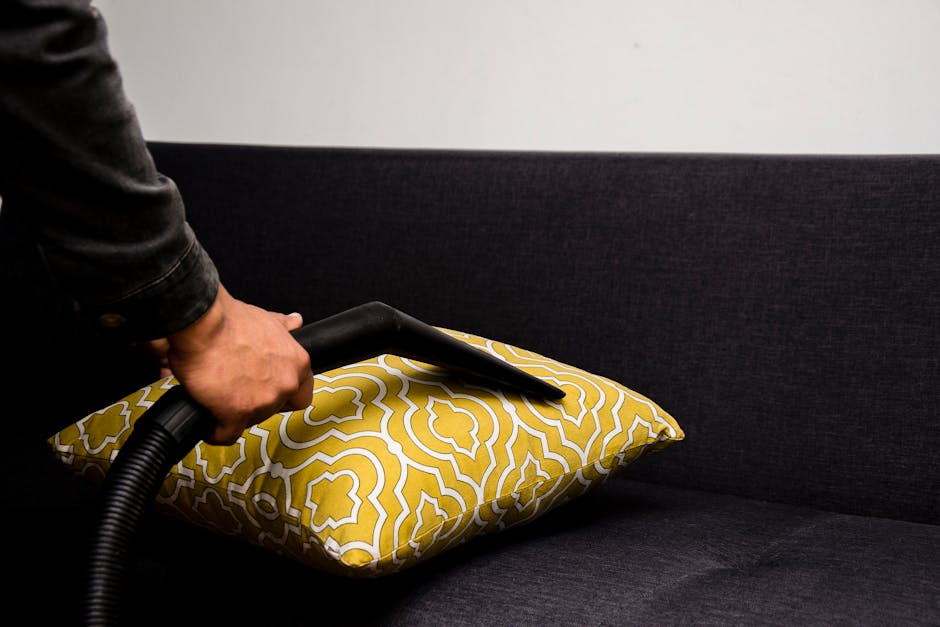
The usual process begins with dry soil removal. Loose dust and grit are lifted from seams, piping, and creases using vacuuming and suitable attachments. That stage is easy to underestimate, but it makes a real difference. If grit is left behind, it can turn into abrasion during cleaning and slowly wear the fabric down.
After that comes spot assessment. Stains are tested gently before anything is applied more broadly. Professional upholstery cleaning may involve hot water extraction, low-moisture methods, foam application, or specialist spot treatments depending on the fibre and condition of the item. In older homes, the safest option is usually the one that uses the least water necessary to achieve a proper result. Why? Because Victorian interiors can hide drafts, less predictable humidity, and older materials that don't always dry quickly or evenly.
Drying is the final step and one of the most important. Upholstery that stays damp too long can smell stale, attract re-soiling, or in some cases develop a musty feel. Good airflow, open windows where practical, and sensible scheduling all help. In a typical London home, that might mean cleaning in the morning so the room can breathe through the rest of the day. Small detail, big difference.
Key Benefits and Practical Advantages
There's a clear aesthetic benefit to clean upholstery, of course. A tired sofa can make a beautiful Victorian sitting room feel a bit flat, even if everything else is spotless. But the practical benefits go further than appearance.
- Better fabric condition: Regular cleaning helps reduce embedded dirt that slowly breaks down fibres.
- Improved room freshness: Upholstery often holds odours from pets, food, smoke, and general everyday use.
- More comfortable living: Clean seating simply feels better to use, especially in family homes.
- Longer furniture lifespan: Keeping fabric in good condition can delay replacement.
- Better presentation for guests or lettings: Useful if the home is being shown, rented, or prepared for sale.
There's also the emotional side. A well-cleaned armchair by the window, with afternoon light falling across it, can make a room feel calmer. That sounds a little sentimental, maybe, but it's true. People notice when a room has that clean, cared-for feeling. They may not be able to explain why, but they notice.
If you are thinking beyond upholstery and want a broader property refresh, the site's carpet cleaning in Kennington page is a sensible companion service for period homes. Soft furnishings and carpets tend to age together, after all.
Who This Is For and When It Makes Sense
This kind of service is ideal for homeowners who want to protect upholstered furniture in older properties, but it also suits landlords, tenants, and anyone preparing a Victorian home for guests or sale. If your home sits on or near Kennington Lane and includes period-style seating, chaise lounges, dining chairs, ottomans, or antique upholstery, professional cleaning may be worth considering sooner rather than later.
It makes particular sense if:
- the fabric has visible marks, dull patches, or a flattened look;
- there are pets, children, or frequent visitors;
- you can smell lingering odours from food, smoke, or moisture;
- the furniture has not been professionally cleaned for a while;
- you're dealing with a delicate or valuable item and don't want to risk DIY damage;
- you're carrying out a seasonal refresh alongside a broader home clean.
It may also be the right move after decorating. Even careful work leaves dust in the air. In Victorian rooms, that dust seems to settle into fabrics with almost suspicious enthusiasm. If you've recently had other work done, a coordinated approach using one-off cleaning in Kennington can help get the whole property back to normal without dragging it out over several weekends.
Step-by-Step Guidance
If you want to understand what a good upholstery clean should look like, here's the practical sequence. It's not glamorous, but it works.
- Inspect the fabric carefully. Check the care label if there is one, note any stains, loose threads, fading, or worn areas.
- Vacuum thoroughly. Focus on seams, buttons, under cushions, and the back of the furniture.
- Test a small hidden area. This helps confirm whether the fabric can handle the chosen cleaning method.
- Treat stains individually. Different marks need different approaches. Coffee is not the same as grease, and neither is the same as a water ring.
- Clean using the least aggressive suitable method. Delicate Victorian pieces often benefit from controlled moisture and careful agitation rather than heavy soaking.
- Rinse or extract properly. Leftover detergent can attract dirt faster, which is a bit of a false economy.
- Dry with airflow. Open windows if weather allows, use ventilation, and avoid sitting on the furniture until it is ready.
- Check the result after drying. Some marks only become visible once the fibres are fully dry.
If your home also needs a more general tidy-up rather than a targeted clean, the house cleaning service can complement upholstery work nicely. That's especially practical if the room contains multiple soft furnishings and you'd prefer one joined-up visit.
Expert Tips for Better Results
The best upholstery cleaning results usually come from patience, not brute force. A few practical habits make a noticeable difference.
- Act quickly on spills. Blot, don't rub. Rubbing pushes the stain deeper and can distort the pile.
- Work from the outer edge inward. That helps prevent the stain from spreading.
- Be careful with steam on old fabrics. Heat can set some stains or affect delicate fibres.
- Keep cushions rotated. It helps the wear stay more even, which matters in older homes where one seat always becomes "the good one".
- Avoid over-wetting. Victorian furniture often has internal components that don't appreciate being soaked.
- Use protective covers thoughtfully. They can help, but they shouldn't trap dirt underneath for months on end.
One more thing: if a sofa has been cleaned badly in the past, residue can linger in the fabric. You'll sometimes see it as a sticky feel or rapid re-soiling. Not ideal. A careful rinse or extraction step can solve that, but only if the fabric allows it.
For broader property maintenance planning, the services overview page is a practical place to compare what else may be worth booking at the same time. Sometimes the smarter move is to combine jobs rather than scattering them across the calendar.
Common Mistakes to Avoid
Victorian homes can make people a bit overconfident. The rooms look sturdy, so the furniture must be too, right? Not quite. Upholstery is where a lot of avoidable mistakes happen.
- Using too much water. This is the biggest one. More water does not mean better cleaning.
- Skipping a fabric test. That shortcut can lead to colour loss or texture change.
- Using supermarket stain removers blindly. Some products are fine for modern synthetics and a bad idea on older pieces.
- Scrubbing aggressively. That can rough up fibres and leave a patchy finish.
- Ignoring drying time. Sitting on damp upholstery is how odours and marks can come back.
- Cleaning only the visible mark. Spot-only treatment often leaves a halo or an uneven finish.
Another common one is assuming every old sofa is fragile. Some are more robust than people think, but that still doesn't mean they should be treated casually. The trick is careful judgement, not guesswork. If in doubt, less force, more assessment. That's usually the better lane, pun slightly intended.
Tools, Resources and Recommendations
You don't need a warehouse of equipment to keep upholstery in good shape, but the right tools help. At home, a vacuum with an upholstery attachment, a clean white cloth, a soft brush, and a small amount of suitable fabric cleaner are the basics. Keep things simple. Complicated DIY often becomes messy DIY, and nobody wants that on a Sunday afternoon.
Professionals typically use a combination of inspection tools, extraction equipment, spot-treatment products, and fabric-safe application methods. For Victorian homes, the key is control. Too much heat, too much moisture, or too much agitation can all create problems. A careful technician will choose the method to suit the furniture rather than forcing the furniture to fit the method.
From a homeowner's point of view, useful resources include:
- the furniture's care label, if present;
- purchase notes or manufacturer guidance, if you still have them;
- photographs of any existing damage before cleaning;
- a simple record of previous treatments or stains;
- an honest sense of what the fabric has already been through.
If you are comparing broader domestic support, the site's domestic cleaning service and office cleaning page are useful references for how specialist cleaning can be adapted to different settings. Not every job is the same, and that flexibility matters.
Law, Compliance, Standards, or Best Practice
For upholstery cleaning in homes, there is usually no special licensing requirement for the homeowner, but professional providers should still follow sensible UK business and safety expectations. That means using products responsibly, giving clear service information, taking reasonable care with property, and being transparent about limitations. If a fabric is delicate or a stain may not fully lift, that should be explained honestly rather than glossed over.
Health and safety is worth mentioning here too. Wet floors, electrical equipment, ventilation, and the handling of cleaning products all need sensible controls. In a lived-in Victorian home, there may be trip hazards, older sockets, narrow staircases, or furniture that is awkward to move. Good practice is simply to plan for those realities instead of pretending they don't exist.
It is also wise to choose a company that is clear about its policies, terms, and safety procedures. The pages on health and safety, insurance and safety, and terms and conditions can help you understand the kind of operational transparency you should expect from a professional service. For payment confidence, the site also provides a payment and security page.
In short: if something sounds vague, ask for clarification. A trustworthy cleaner won't mind. Actually, they should expect it.
Options, Methods, or Comparison Table
Different upholstery methods suit different fabrics and levels of soiling. A proper service should select the least risky method that still delivers a meaningful result. Here's a simple comparison.
| Method | Best For | Advantages | Watch Outs |
|---|---|---|---|
| Vacuum-only maintenance | Light upkeep between deep cleans | Safe, fast, useful for dust control | Won't remove embedded stains or odours |
| Low-moisture cleaning | Delicate fabrics and quicker drying needs | Reduced wet time, lower risk in older homes | May not suit heavy staining |
| Hot water extraction | More robust upholstery and deeper soil | Strong cleaning performance, can refresh tired fabric | Needs careful drying and correct fabric suitability |
| Foam or specialist spot treatment | Targeted stain work | Useful for localised marks | May need follow-up cleaning to avoid patchiness |
For many Victorian homes, the sweet spot is a careful combination approach. That might mean spot treatment on one arm, low-moisture cleaning on the main body, and a very controlled finish around trims or piping. Simple on paper, but it takes judgement.
Case Study or Real-World Example
Imagine a Victorian terrace near Kennington Lane with a three-seater sofa in a front reception room. It's a lovely room, really. Original cornicing, a sash window, a rug that probably cost more than the sofa, and one seat that everyone always chooses. Over time, the fabric has picked up dust, a faint food smell, and a dark patch near the arm where drinks have been rested too often.
A sensible approach would begin with a fabric check and a careful vacuum around seams and cushions. The cleaner would test a hidden area, then treat the visible marks separately rather than saturating the whole piece. Because the room has older timber floors and limited airflow, a low-moisture method might be preferable to a heavier wet clean. After treatment, the cushions would be left spaced out to dry more evenly, and the room would be ventilated for the rest of the day.
The result? The sofa looks brighter, the smell is reduced, and the room feels less heavy. Not brand new. That would be unrealistic. But refreshed enough that the whole space feels more cared for. Sometimes that is exactly the point. If the home is being prepared for a wider refresh, a visit to pricing and quotes can help you decide whether to combine upholstery with other cleaning tasks. It's often the smarter route, especially in larger period homes.
Practical Checklist
Before booking or attempting upholstery cleaning in a Victorian home, run through this checklist:
- Identify the fabric type if you can.
- Check for labels, previous treatments, or damage.
- Vacuum all upholstered surfaces, including seams and edges.
- Photograph stains or worn areas before cleaning.
- Decide whether you need spot treatment or a full clean.
- Make sure the room can be ventilated during drying.
- Protect nearby floors and walls from overspray or drips.
- Keep pets and children away until the furniture is fully dry.
- Ask about the method being used and why it suits the fabric.
- Confirm what aftercare is recommended once the job is done.
Quick takeaway: Victorian upholstery usually rewards a cautious, fabric-led approach. The right method depends less on the stain itself and more on what the furniture can safely handle.
Conclusion
Kennington Lane homes have a particular kind of character, and the upholstery inside them often carries part of that story. Clean, well-maintained fabric helps a Victorian interior feel balanced, fresh, and properly lived in. It also protects furniture that may be older, more delicate, or simply more valuable than it first appears. That's why Kennington Lane Upholstery Cleaning for Victorian Homes is best approached as careful preservation, not just quick cleaning.
If you remember only one thing, let it be this: choose the gentlest effective method, give the fabric time to dry properly, and don't gamble on old upholstery with rough DIY shortcuts. Small decisions make a big difference here. A room can go from dull and slightly stale to warm and welcoming with surprisingly little drama.
Get a free quote today and see how much you can save.
If you'd like to compare related services or understand the company's wider approach, the about us page and services section are both useful next stops. And if you're planning a local refresh more broadly, it may also help to read what living in Kennington is like according to locals or browse the latest blog posts for more practical ideas. Little by little, the whole home starts to feel easier again.
Frequently Asked Questions
What is the best upholstery cleaning method for Victorian homes?
It depends on the fabric. Delicate or older upholstery often suits low-moisture or specialist spot treatment, while more robust fabrics may handle hot water extraction. The safest choice is usually the least aggressive method that still gives a proper clean.
Can upholstery cleaning damage antique or period furniture?
It can, if the wrong method is used. Excess water, strong chemicals, and heavy scrubbing are the main risks. That's why a fabric test and careful inspection are essential before cleaning anything valuable or fragile.
How often should upholstery be cleaned in a Victorian house?
There is no single rule, but many homes benefit from regular light maintenance and periodic professional cleaning. Homes with pets, children, or heavy daily use usually need attention more often than quieter households.
Will upholstery cleaning remove old stains completely?
Sometimes yes, sometimes partially, and sometimes not at all. It depends on the stain type, how long it has set, and the fabric involved. A good cleaner should be honest about likely results before starting.
How long does upholstery take to dry?
Drying time varies by method, fabric, room ventilation, and weather. Low-moisture cleaning usually dries faster than wetter methods. In older Victorian homes, airflow can make a real difference, so ventilation matters.
Is steam cleaning safe for all upholstery?
No, not all upholstery is suitable for steam or high-heat methods. Some fabrics can shrink, distort, or hold marks if treated too aggressively. Always check suitability first rather than assuming it will be fine.
Can I clean Victorian upholstery myself?
You can handle light maintenance such as vacuuming and careful blotting of fresh spills. For older, delicate, or heavily marked items, professional cleaning is usually safer. A wrong DIY product can create more work than it solves.
What should I do before a professional upholstery clean?
Clear the area around the furniture, note any stains, take photos of existing damage, and check whether the room can be ventilated. If you have pets or children, plan for them to stay away until the fabric is dry.
Do I need to clean the whole room at the same time?
Not necessarily, but it can be sensible if the room has carpet, rugs, curtains, or other soft furnishings that all show wear together. A coordinated clean often gives a more even result in period homes.
How do I know if my upholstery is too delicate for standard cleaning?
If the fabric is old, faded, loosely woven, very textured, or has no clear care guidance, treat it cautiously. A professional inspection is the safest way to judge whether a standard process is suitable or whether a gentler approach is needed.
Is upholstery cleaning worth it before selling or letting a Victorian home?
Yes, it often is. Fresh upholstery improves first impressions and helps rooms feel better cared for. That said, the rest of the property matters too, so it is often best done as part of a broader clean.
Where can I find related cleaning support in Kennington?
You can explore the company's upholstery cleaning service, the wider services overview, or the quote request page if you are ready to compare options. For a broader property refresh, the deep cleaning page is also useful.