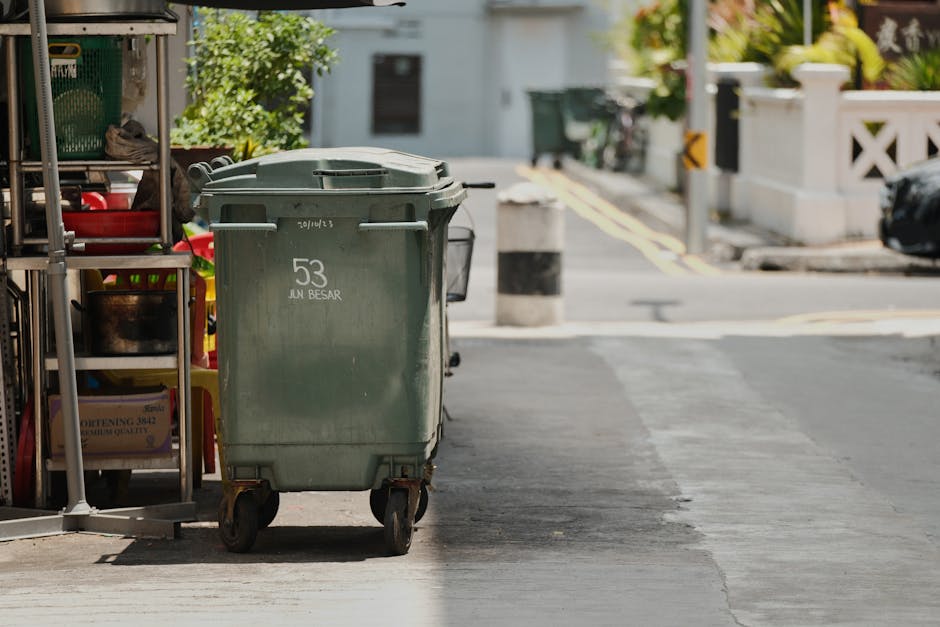
Lambeth Council Rules for Waste Disposal from Cleaning Jobs
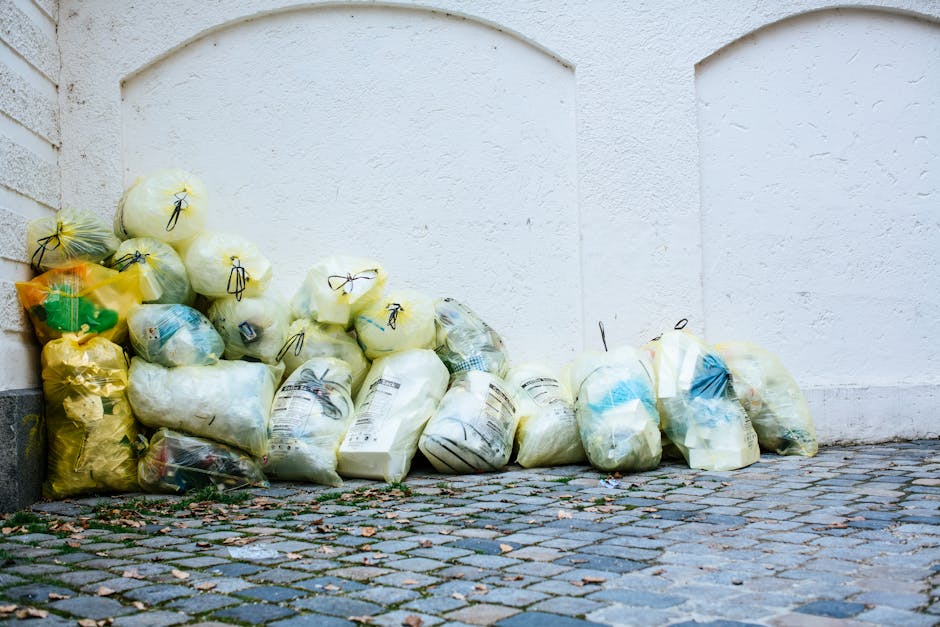
If you have ever finished a deep clean and stood there looking at the leftover bags, mop water, old cloths, broken bits of packaging, and that one mystery item from behind the sofa, you already know the problem: cleaning jobs create waste fast. The rules around Lambeth Council Rules for Waste Disposal from Cleaning Jobs can feel a bit fiddly at first, but once you understand the basics, it becomes much easier to stay tidy, compliant, and neighbour-friendly. This guide explains what matters, what usually trips people up, and how to deal with cleaning waste properly without making your life harder than it needs to be.
Whether you are a homeowner, tenant, landlord, cleaner, or office manager, the practical aim is the same: separate waste correctly, keep hazardous items out of general rubbish, and make sure your disposal method matches the type and volume of waste created. Simple enough in theory. In real life? Not always. So let's make it clear, useful, and local.
Why Lambeth Council Rules for Waste Disposal from Cleaning Jobs Matters
The short version? Waste disposal affects safety, cleanliness, costs, and compliance. In a busy borough like Lambeth, rubbish left out incorrectly can become a nuisance very quickly. Bags split. Food waste smells. Loose debris blows about. A few damp cloths may not seem like much, but if they are mixed with the wrong materials, the whole pile can turn into a disposal headache.
Cleaning jobs often generate more than "normal household rubbish". Think about end-of-tenancy cleans, post-renovation cleaning, office clear-outs, spring cleans, deep cleans, upholstery work, carpet cleaning, and move-out jobs. These can produce a mix of general waste, recyclable packaging, textile waste, paper, hard plastics, and sometimes items that need more careful handling. That mix is where people get caught out.
The council angle matters because waste presented incorrectly may be left behind, and in some cases could lead to complaints or enforcement issues. But there is also a simple neighbourliness point here. Nobody enjoys seeing an overfilled bin bag leaning out into the pavement on a wet Wednesday morning. Let's face it, London streets are tight enough already.
If you are planning a larger clean, it can help to read around the practical side of the work too. Pages like deep cleaning in Kennington and end of tenancy cleaning in Kennington show how bigger cleaning jobs tend to generate more waste and planning needs than a quick weekly tidy.
Expert summary: The safest approach is usually to sort waste at source, keep hazardous or liquid waste separate, and only use council collections or disposal routes that clearly fit the type and amount of waste you have.
How Lambeth Council Rules for Waste Disposal from Cleaning Jobs Works
At a practical level, the rules are about matching the waste to the right disposal route. You do not need to turn every mop bucket into a science project, but you do need to think before you bin things. The key question is: what exactly did the cleaning job produce?
For many jobs, the waste will fall into one of a few simple groups:
- General waste: non-recyclable debris, heavily soiled items, vacuum contents, broken disposable cloths, and similar refuse.
- Recycling: cardboard boxes, clean plastic packaging, some paper, and other recyclable materials if they are clean enough.
- Bulky waste: old rugs, damaged chairs, broken appliances, discarded furniture, or large items removed during a clean.
- Special waste or hazardous waste: chemicals, solvent-heavy products, contaminated sharps, batteries, fluorescent tubes, and anything that needs extra caution.
The exact household and commercial rules can differ depending on the property type and the waste generated. A small domestic clean usually looks very different from an office clearance or an after-builders clean. One common mistake is assuming everything can go in black bags. It can't. Not if you want to stay on the right side of good practice.
There is also the matter of presentation. Waste should usually be bagged securely, kept contained, and placed out for collection in a way that does not obstruct pavements or create a mess. If waste is left loose, excessively heavy, leaking, or contaminated, it is much more likely to cause problems.
For people comparing service types, the broader context can be helpful. A cleaner handling office cleaning in Kennington or one-off cleaning in Kennington may need a different waste plan from someone doing a routine home clean.
Key Benefits and Practical Advantages
Following the rules is not just about avoiding problems. Done properly, waste disposal makes the whole cleaning job smoother. You finish faster, the space looks better, and there is far less chance of a surprise issue later.
- Cleaner handover: Important for tenants leaving a property or for businesses reopening after a deep clean.
- Reduced odour and mess: Separated waste is easier to control, especially if the job involved food residue, bathroom waste, or damp textiles.
- Lower risk of rejected waste: Properly prepared bags and separated materials are less likely to be left behind.
- Better recycling outcomes: Clean packaging and paper can often be diverted away from general waste.
- Safer handling: Chemicals, broken glass, and contaminated materials are less likely to injure someone when they are set aside correctly.
There is also a commercial upside if you are a cleaning business or a landlord managing multiple properties. A consistent waste process saves time. Time is money, after all, even if nobody likes saying that out loud. Fewer mistakes mean fewer call-backs and fewer awkward conversations with a client who is wondering why a pile of waste is still sitting there on Friday afternoon.
If you are comparing services, it is worth looking at broader operational pages such as services overview and pricing and quotes because waste handling often affects the real time and cost of a job, even when it is not obvious at first glance.
Who This Is For and When It Makes Sense
This topic matters to more people than you might think. If you ever generate waste through cleaning, you need a plan. That includes private households, rented flats, offices, landlords, letting agents, building managers, and professional cleaners working in Lambeth.
Here are the most common scenarios:
- End of tenancy cleaning: Moving out often leaves packaging, worn items, and unwanted household waste.
- Spring cleaning: Cupboard clear-outs can create a surprisingly large pile of mixed waste.
- Deep cleaning: You may uncover damaged items, old textiles, or products that should not be mixed in with normal rubbish.
- Office cleaning: Shredded paperwork, packaging, broken equipment, and consumables need care.
- After-event or post-renovation cleaning: This is where waste can become awkward quickly, especially if there is debris, dust, and bulky leftovers.
It also matters if you are planning in advance. For instance, if you know a big clean is coming up, you can avoid the classic "where is all this going to go?" moment halfway through the job. That moment, by the way, usually arrives around the same time the bin bags start stacking up by the front door.
Local context can help too. If you are arranging property work in the area, these guides may be useful background reading: what it's like to live in Kennington according to locals and the allure of Kennington. They are not waste guides, of course, but they do help you understand the neighbourhood context where many cleaning jobs happen.
Step-by-Step Guidance
If you want the simplest possible route, follow this sequence every time you finish a cleaning job with any real amount of waste.
- Identify the waste type. Separate general rubbish, recycling, bulky items, and anything that may be hazardous.
- Check for liquids or contamination. Do not let dirty water, chemical residue, or damp waste leak through bags.
- Remove recyclable material first. Clean cardboard, paper, and suitable plastics should not be buried under general waste if they can be separated safely.
- Bag waste securely. Use strong bags and avoid overfilling them. Heavy bags split at exactly the wrong time. Always.
- Keep hazardous items apart. Cleaning products, batteries, blades, and similar items need extra caution.
- Store waste neatly before collection. Keep it in a safe, accessible place that does not block exits or walkways.
- Arrange the right disposal route. Use the council collection route, a licensed waste contractor, or a suitable bulky waste option depending on the material.
- Document anything commercial. If you are operating as a business, keep records of waste handling and disposal where appropriate.
That may sound like a lot, but after a few jobs it becomes routine. In practice, the easiest wins are the first two steps: know what you have, and keep wet or dangerous material separate.
Quick example
A cleaner finishes a sofa and carpet refresh in a small flat. The waste includes used cloths, packaging from stain removers, lint, a few broken hangers, and a cracked storage box. Rather than putting everything into one bag, the cardboard goes in recycling, the broken box becomes general waste, and the chemical bottles are checked before disposal. Simple. Neater. Much less chance of trouble.
Expert Tips for Better Results
In our experience, the easiest waste problems to avoid are the ones that start at the planning stage. You do not need fancy equipment. You need a decent process and a little discipline.
- Set up waste zones before you start cleaning. One bag for general waste, one for recycling, one for anything questionable.
- Use labelled containers for commercial jobs. Even simple labels like "recycling" and "general" save confusion later.
- Keep a small sharps or hazards container where needed. This is especially sensible for sites where broken glass or blades may appear.
- Do not mix dry and wet waste. Wet waste becomes heavier, smellier, and much harder to manage.
- Empty vacuums carefully. Vacuum contents can contain hidden debris, small metal pieces, hair, dust, and bits of broken material.
- Think about access before collection day. Narrow stairs, basement flats, and shared entrances can complicate waste movement just as much as the cleaning itself.
If you are working in more awkward buildings, the practical side matters even more. There is a useful local angle in access problems for basement carpet cleaning in SE11, because the same access pinch points often affect waste removal too. Tight staircases and awkward corners make bag movement harder than anyone expects.
One more thing: if you are quoting for a job, be clear about waste handling up front. Hidden effort is one of the easiest ways to make a job unprofitable. The article on hidden charges in Kennington cleaning quotes to avoid is a good reminder that disposal time, labour, and bagging all add up.
Common Mistakes to Avoid
Some waste mistakes are small but annoying. Others can become expensive. Here are the ones that come up most often.
- Putting chemicals into regular bags. This is a bad habit. Products need to be checked and handled properly.
- Overstuffing sacks. A bag that tears on the pavement is not just messy, it is avoidable.
- Ignoring recycling. Clean paper and cardboard should not be lost in general waste if you can help it.
- Leaving bulky items for later. "Later" often becomes "still there tomorrow morning".
- Assuming one rule fits all jobs. Domestic cleaning and office cleaning produce different waste profiles.
- Forgetting client expectations. Some clients expect a finished, waste-free space, not just a cleaned one.
There is also a timing mistake people make: clearing waste too late in the job. If you wait until the end, you often discover that the bags are heavier than they should be and the route out is more awkward than you remembered. A small annoyance, yes. Still annoying. Very.
For homeowners arranging one-off work, timing and preparation matter. A practical read like worst timing mistakes when booking Kennington sofa cleaning can help you understand how good scheduling makes the whole clean easier, including disposal.
Tools, Resources and Recommendations
You do not need specialist kit for every job, but a few basic items make waste handling far easier.
| Tool or item | Why it helps | Best used for |
|---|---|---|
| Heavy-duty bin bags | Reduces split bags and leaks | General cleaning waste, cloths, soft refuse |
| Labelled sacks or boxes | Keeps waste streams separate | Recycling, mixed job sites, office cleans |
| Sturdy gloves | Protects hands during handling | Bagging, moving, sorting waste |
| Lidded containers | Controls odour and spill risk | Wet materials, dirty cloths, temporary storage |
| Small sharps container | Improves safety | Broken glass, blades, sharp fragments |
| Trolley or sack truck | Makes transport safer | Bulky bags or heavier items |
For professional cleaners, a documented process is just as important as the equipment. That is where internal operating pages become useful. You may want to review health and safety policy and insurance and safety if you want a clearer picture of how responsible service delivery should look in practice.
And if you are working with clients who care about trust and process, supporting pages like about us, terms and conditions, and complaints procedure help show that the business takes standards seriously. It sounds dry, maybe, but people notice.
Law, Compliance, Standards, or Best Practice
Waste handling in the UK is shaped by broader environmental and safety duties, but the exact requirement depends on the type of waste and whether the job is domestic or commercial. The safest rule of thumb is simple: do not guess. If waste is potentially hazardous, bulky, or business-generated, treat it with more care.
Good practice usually means:
- separating waste streams where possible,
- keeping waste contained and secure,
- avoiding spills and leakage,
- using suitable disposal routes for bulky or specialist waste,
- keeping records where business waste handling requires it,
- making sure anyone collecting waste is properly authorised and appropriate for the job.
For cleaners and landlords, there is also a reputational angle. If a property is left with rubbish in the wrong place, it can affect inspections, tenancy handovers, and client confidence. That is especially true in rental stock and shared buildings. Nobody wants a complaint because a hallway smelled like wet fabric and old packaging for two days.
If you are also thinking about the broader property context in Lambeth and nearby areas, it can be useful to understand how homes and investment properties are handled locally. The guides on Kennington real estate buyers guide and investing in Kennington real estate are not waste manuals, but they do reflect the kind of property decisions that often sit alongside cleaning and disposal planning.
Options, Methods, or Comparison Table
Different waste disposal methods suit different cleaning jobs. There is no single best method for everything, and that is where many people go wrong. A quick household clean should not be handled like a renovation clearance.
| Method | Best for | Pros | Watch-outs |
|---|---|---|---|
| Standard council collection | Small household waste from routine cleaning | Simple, familiar, cost-effective for ordinary refuse | Not suitable for all bulky or special waste |
| Recycling separation | Clean paper, cardboard, suitable plastics | Reduces landfill, cleaner site, sensible practice | Contaminated items may not be recyclable |
| Bulky waste route | Furniture, rugs, large damaged items | Handles bigger items without overloading bins | Needs planning and may require collection booking |
| Licensed waste contractor | Commercial cleans, mixed or hazardous waste | More flexible, better for complex jobs | Costs more and should be chosen carefully |
For many clients, the decision is not about what is cheapest on paper. It is about what is least stressful. If you have a messy flat, a packed office, or a house with awkward access, paying a little more for a proper disposal route can save a lot of hassle later. Truth be told, that is often the smarter move.
Case Study or Real-World Example
Imagine a two-bedroom flat in Lambeth after a tenancy ends. The cleaners arrive to find old packaging in cupboards, a broken bedside table, several bags of mixed household waste, and a few cleaning product bottles left behind by the previous occupier. Nothing extreme. But enough to be awkward.
Here is how a sensible disposal process might look:
- The cardboard from flat-pack packaging is flattened and separated for recycling.
- The broken bedside table is treated as bulky waste rather than stuffed into general bags.
- The mixed household rubbish is bagged securely and kept dry.
- The bottles are checked, kept upright, and handled separately if any residue remains.
- The bags are staged safely for collection, rather than piled across the hallway.
The result is a cleaner handover, fewer complaints, and a much lower chance of the waste becoming someone else's problem. It also feels better. There is a definite relief in looking at a room and knowing the job is actually finished, not half-finished.
If the cleaning job involved softer furnishings, the nearby service pages such as upholstery cleaning in Kennington and carpet cleaning in Kennington can be useful context. Those jobs often create textile waste, packaging, and some damp materials that need sensible handling.
Practical Checklist
Use this checklist before you finish any cleaning job that creates waste in Lambeth.
- Have I separated general waste from recycling?
- Are any liquids, chemicals, or contaminated items set aside safely?
- Are all bags sealed securely and not overfilled?
- Is bulky waste identified clearly?
- Are any sharp or breakable items handled properly?
- Have I planned how the waste will leave the property?
- Is the waste placed somewhere safe and not blocking access?
- Have I checked whether the disposal method fits the amount and type of waste?
- For commercial jobs, have I kept the right records or notes?
- Does the client know what has been removed and what still needs collection, if anything?
A quick checklist like this saves a surprising amount of back-and-forth. And on a busy day, that matters. Especially when the kettle has gone cold three times already.
For anyone managing repeat work or property turnover, the broader service pages like domestic cleaning Kennington, house cleaning Kennington, and spring cleaning Kennington can help you build a more organised routine around waste, cleaning, and handover planning.
Conclusion
Lambeth Council rules for waste disposal from cleaning jobs are really about common sense, good sorting, and choosing the right disposal route for the waste in front of you. The more carefully you separate materials at the start, the easier everything becomes at the end. That means less mess, fewer surprises, and a cleaner result for the client, tenant, or household.
If you remember only three things, make them these: keep waste separated, treat chemicals and bulky items with extra care, and do not leave disposal planning until the last five minutes. That last one causes more stress than it should. Honestly, it is usually the bit that trips people up.
For larger or more complicated cleaning jobs, a little professional planning goes a long way. And if you want to talk through a cleaning job that involves waste, access issues, or a tight turnaround, the safest next step is to ask before the job begins rather than after the bags are already at the door.
Get a free quote today and see how much you can save.
Good waste handling is one of those quiet details that makes a job feel properly done. Not flashy. Just solid, calm, and right.
Frequently Asked Questions
What counts as waste from a cleaning job?
Waste from cleaning jobs can include general rubbish, dust bags, used cloths, packaging, broken household items, old textiles, cardboard, and sometimes chemical containers or bulky waste. The exact mix depends on the job type.
Can I put cleaning waste in normal household bins?
Sometimes, yes, if it is ordinary household rubbish and fits the bin properly. But cleaning jobs can create bulky, wet, or contaminated waste that should be separated or handled differently.
What should I do with leftover cleaning chemicals?
Do not pour unknown or leftover chemicals into general waste or drains without checking. Keep them separate and follow safe handling practices. If a product is hazardous, it needs extra caution.
Do I need to separate recycling from other cleaning waste?
Yes, where possible. Clean cardboard, paper, and suitable plastics should be separated from dirty or contaminated waste. It is cleaner, safer, and usually easier to dispose of properly.
How should bulky items from a cleaning job be handled?
Bulky items like damaged furniture, broken storage boxes, rugs, or large fixtures should be kept separate from ordinary waste. They often need a different disposal route from bagged rubbish.
What if the cleaning job created damp or smelly waste?
Damp or odorous waste should be sealed securely and stored in a way that limits spills and smell. Do not mix it with clean recyclables. That is where things get messy fast.
Are professional cleaners responsible for waste disposal?
Usually, the answer depends on the service agreement and job scope. A professional cleaner may remove waste as part of the job, but it should be agreed clearly beforehand so everyone knows what is included.
Does office cleaning produce different waste from domestic cleaning?
Yes. Office cleaning often creates paper waste, packaging, shredded documents, food packaging, and sometimes old equipment or consumables. Domestic cleaning tends to produce more household waste, textiles, and general debris.
What is the safest way to avoid a waste disposal mistake?
Sort waste as you go, keep hazardous items separate, use strong bags, and decide early how bulky items will leave the property. That simple routine prevents most problems.
Can cleaning waste affect end of tenancy handovers?
Absolutely. Leftover rubbish or poorly disposed waste can delay handover, trigger complaints, or leave the property looking unfinished. A clear disposal plan helps the final clean feel complete.
Why do some cleaning quotes change when waste is involved?
Waste changes the amount of labour, time, bags, transport, and disposal effort needed. If a quote does not mention waste handling clearly, it is worth asking how that part is covered.
What should I do if I am not sure whether a waste item is hazardous?
Do not guess. Keep the item separate until you can handle it safely or get proper guidance. When in doubt, caution is always better than improvisation.
If you are looking for more practical background on service planning, the blog is a useful place to explore related cleaning topics and local guidance.